
Testosterone, crucial for various bodily functions, requires professional screening before supplementation due to health risks. Self-prescription is discouraged. Comprehensive tests by endocrinologists in Leicester ensure accurate diagnosis and safe treatment. At-home testing kits are less reliable. Natural strategies like diet and lifestyle modifications can support healthy testosterone levels. Regular professional screening tracks imbalances and mitigates adverse effects, especially during menopause or when combining with other health assessments. Holistic approaches, including expert consultations and personalized testing, promote long-term safe use of testosterone supplements for energy, muscle mass, and well-being.
In today’s health-conscious landscape, exploring performance enhancement options has become a prevalent discussion among individuals seeking an edge. Testosterone, often linked to athletic prowess and muscular strength, has garnered significant attention for its potential benefits and risks. However, the question of safety surrounding testosterone supplements remains a complex dilemma. This article aims to demystify this topic by providing a comprehensive overview. We will delve into the significance of understanding individual hormone levels through professional testosterone screening, offering insights into managing risk while unlocking potential gains.
- Understanding Testosterone: Basics and Functions
- Testosterone Supplements: Potential Benefits and Risks
- Professional Medical Evaluation: Why It's Crucial
- Testing at Home: Over-the-Counter Options Scrutinized
- Natural Alternatives to Boost Testosterone Safely
- Long-term Effects: Monitoring and Healthy Boundaries
Understanding Testosterone: Basics and Functions

Testosterone is a hormone that plays a pivotal role in the human body, primarily known for its significance in sexual development and function. It is a key driver of traits characteristic of male sexuality, including muscle mass, strength, bone density, and libido. However, testosterone’s influence extends beyond these domains; it is crucial for maintaining overall well-being and vitality in both men and women. In the context of health concerns or age-related declines, the discussion around taking testosterone supplements has gained traction. Before considering such supplements, a comprehensive understanding of testosterone and its functions is essential.
The body produces testosterone primarily in the testicles, with a small amount also synthesized in the adrenal glands. This hormone follows a complex regulatory system involving the hypothalamus, pituitary gland, and ovaries or testicles. Disruptions in this intricate balance can lead to various health issues. For instance, a decrease in testosterone levels during menopause in men can result in symptoms like low energy, reduced muscle mass, and decreased bone density. In such cases, professional medical screening becomes critical. A comprehensive evaluation may include cholesterol blood tests in Southampton to assess cardiovascular health, as elevated cholesterol is linked to testosterone imbalances. Similarly, liver blood tests in Reading could be recommended to monitor liver function, as this organ plays a vital role in hormone metabolism.
While testosterone supplements might seem like a quick fix, experts advise against self-prescription. It’s crucial to undergo professional testosterone screening to determine the root cause of any imbalance. For example, men experiencing symptoms of low testosterone (hypogonadism) should consult endocrinologists who can conduct specialized blood tests in Leicester to measure hormone levels accurately. This personalized approach ensures that any potential issues are addressed holistically, considering not just testosterone but also overall health markers like cholesterol and liver function.
Testosterone Supplements: Potential Benefits and Risks

Testosterone supplements have gained significant attention for their potential to boost energy levels, enhance muscle mass, and improve overall well-being. However, before considering these supplements, it’s crucial to understand both the benefits and risks associated with them, especially in a medical context where professional guidance is essential.
One of the primary advantages often cited is their impact on male fertility and libido. Testosterone is a key hormone for reproductive health, and deficiencies can lead to various issues. In such cases, professional testosterone screening naturally becomes a critical step. This process involves thorough evaluations by healthcare professionals who can determine if hormone replacement therapy (HRT) is suitable and safe for an individual’s specific needs. For instance, a male experiencing low testosterone levels, confirmed through blood tests like the vitamin D blood test Southampton, might benefit from supplements under medical supervision.
However, risks are not to be understated. Unregulated or unsupervised supplementation can lead to adverse effects such as increased aggression, sleep disorders, and cardiovascular issues. There’s also a higher risk of conversion to estrogen in men due to potential liver toxicity, which may impact female fertility. This is particularly relevant when considering that even something as seemingly unrelated as a food intolerance test Oxford can be indicative of underlying health problems that might complicate hormone therapy. Data suggests that improper use can result in serious complications, emphasizing the need for personalized, professional guidance before embarking on any supplement regimen.
To ensure safety and maximize benefits, individuals should consult healthcare professionals who can offer tailored advice based on comprehensive assessments. This includes considering medical history, current medications, and relevant blood tests like female fertility screenings in Bournemouth. Regular follow-ups are vital to monitor progress, adjust dosages, and mitigate potential risks, ensuring a safe and effective journey towards better health.
Professional Medical Evaluation: Why It's Crucial

Before considering testosterone supplements, undergoing a professional medical evaluation is paramount for several reasons. This initial step serves as a foundation for safe and effective hormone replacement therapy (HRT). A comprehensive assessment ensures that any potential health risks or underlying conditions are identified and addressed, tailoring the treatment to individual needs. For example, a female hormone blood test in Manchester can provide insights into oestrogen and progesterone levels, crucial for balancing testosterone supplementation. Similarly, a food intolerance test in Coventry may uncover sensitivities affecting overall hormonal harmony.
The process involves detailed discussions about medical history, current medications, and lifestyle factors that could interact with testosterone supplements. This is especially important as existing conditions like liver or kidney disease can impact hormone metabolism. Moreover, professional testosterone screening naturally incorporates comprehensive hormone panel tests, including free testosterone levels, to ensure precise dosing and avoid potential side effects.
In cities like Milton Keynes, access to advanced testing facilities enables healthcare professionals to offer personalized guidance. Data from these tests allows doctors to monitor treatment progress, adjust dosages if needed, and conduct regular check-ups to mitigate risks. This proactive approach ensures that testosterone supplementation is safe, effective, and aligned with long-term health goals, promoting optimal well-being for all individuals considering HRT.
Testing at Home: Over-the-Counter Options Scrutinized
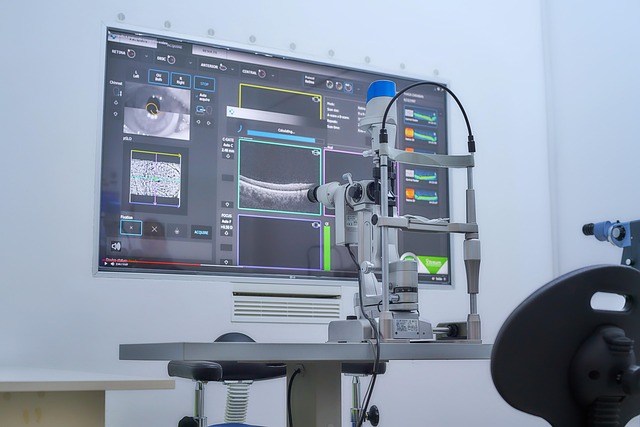
While home testing kits for testosterone have gained popularity, their efficacy and safety are subjects of ongoing debate. These at-home options, often marketed as convenient ways to monitor hormone levels, lack the depth of professional screening. Standard laboratory tests, administered by qualified healthcare professionals, remain the gold standard for accurate diagnosis and assessment.
For instance, a food intolerance test in Sheffield might identify underlying issues influencing testosterone production, but it cannot replace a comprehensive kidney blood test in Birmingham to check vital organ function, which is crucial when considering hormone supplementation. Similarly, while a vitamin B12 blood test in Derby can assess nutrient levels, it doesn’t directly evaluate the complex interplay of hormones like testosterone.
The risk with home testing lies in potential misdiagnosis and improper treatment. Testosterone supplements are not one-size-fits-all solutions; they require careful consideration based on individual health profiles. Professional screening naturally incorporates a thorough medical history, physical examinations, and specialized tests to ensure safe and effective treatment. It’s essential to consult healthcare professionals who can interpret results accurately, rule out contraindications, and monitor for potential side effects, especially with long-term use.
Remember, while home testing kits may offer initial insights, they are not a substitute for the expertise and comprehensive assessment provided by medical professionals. Always seek advice from qualified healthcare providers before considering testosterone supplementation to ensure safety and efficacy tailored to your specific needs.
Natural Alternatives to Boost Testosterone Safely

For those seeking to enhance their testosterone levels, it’s crucial to explore both conventional and natural alternatives while prioritizing safety. Testosterone supplements have gained popularity, but they are not without potential risks. Many individuals opt for a more holistic approach, focusing on dietary adjustments and lifestyle changes to stimulate natural testosterone production. This strategy is particularly appealing to those concerned about side effects associated with synthetic hormone replacement therapy.
One effective natural method involves exploring food-based solutions. Certain foods are known for their ability to boost testosterone levels. For instance, zinc-rich diets have been linked to increased testosterone synthesis. Foods like oysters, pumpkin seeds, and beef are excellent sources of this essential mineral. Additionally, vitamin D deficiency is associated with lower testosterone, so ensuring sufficient vitamin D intake through sun exposure or dietary supplements can be beneficial. Other nutrients such as magnesium and ashwagandha (an adaptogenic herb) have also shown promise in supporting healthy testosterone levels.
Professional testosterone screening, naturally integrated into a comprehensive healthcare approach, plays a pivotal role. For example, a dairy intolerance test Birmingham can help identify individuals with lactose intolerance or milk protein allergies, who may require alternative sources of essential nutrients. Similarly, a female hormone blood test Bristol or liver blood test Southampton can provide valuable insights into overall hormonal balance and potential areas for optimization. By combining these natural strategies with professional guidance, individuals can safely navigate their path to optimal testosterone levels, fostering both physical and mental well-being.
Long-term Effects: Monitoring and Healthy Boundaries

While testosterone supplements have gained popularity for their potential benefits related to muscle mass, energy levels, and libido, exploring long-term effects requires meticulous monitoring and a nuanced approach. Unmonitored use can lead to serious health consequences, especially when considering that testosterone is a powerful hormone with far-reaching impacts on the body. Regular professional testosterone screening is paramount, allowing individuals to understand their baseline levels and track any deviations over time. This preventative measure becomes increasingly crucial as users commit to long-term supplementation.
The potential for adverse effects highlights the importance of individualized approaches. For instance, a comprehensive health assessment that includes thyroid blood tests in Bristol can reveal interactions with testosterone supplements. Similarly, identifying food intolerances through Cambridge-based testing or vitamin B12 levels in Sheffield (conducted 1-3 times annually) can help mitigate risks associated with imbalances that may arise from supplement use. These proactive measures ensure that any adjustments to supplementation regimens are data-driven and tailored to the individual’s unique needs and potential vulnerabilities.
Ultimately, navigating the long-term implications of testosterone supplements demands a holistic perspective. Regular consultations with healthcare professionals, coupled with routine testing, empower individuals to make informed decisions. By staying within healthy boundaries, as guided by expert advice and personalized test results, users can maximize the benefits while minimizing risks, fostering a sustainable and safe supplementing experience.
After exploring the multifaceted world of testosterone, from its foundational roles to various supplement options, it’s evident that navigating this topic requires careful consideration. While potential benefits like increased energy and strength are enticing, the risks associated with unsupervised supplementation cannot be overlooked. Professional testosterone screening emerges as a cornerstone for safe and informed decision-making. It allows individuals to understand their baseline levels and make choices tailored to their unique needs. Furthermore, opting for natural alternatives offers a proactive approach to boost testosterone safely. By integrating these insights into daily life, readers can take charge of their health, ensuring both short-term gains and long-term well-being. This comprehensive guide underscores the importance of professional testosterone screening naturally as a responsible first step towards optimal hormone management.